Read Time: 5 minutes
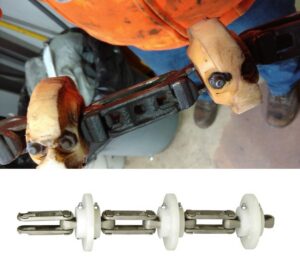
Strategic Maintenance of Mechanical Conveying Equipment: Protecting Uptime in Bulk Solids Processing
In dry processing environments, performance is often discussed in terms of throughput, yield, automation, and energy efficiency. Less visible — but equally influential — is the condition of the mechanical…

Read Time: < 1 minute
Hapman’s WEFTEC 2025 Booth Draws Attention for Practical Wastewater Equipment
Hapman’s booth at WEFTEC 2025 was a key destination for water industry professionals seeking practical, results-driven material handling equipment tailored for wastewater facilities. The event in Chicago gave attendees a…
Read Time: 3 minutes
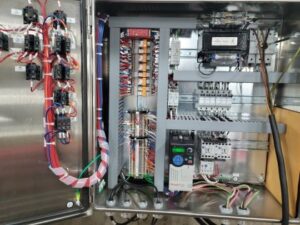
Smart Controls: Keeping Bulk Material Handling Efficient and Reliable
Practical Automation for Everyday Operations Automation has become an essential part of bulk material handling and helps facilities run efficiently, safely, and cost-effectively. Reliable control systems keep materials moving and…
Read Time: 7 minutes
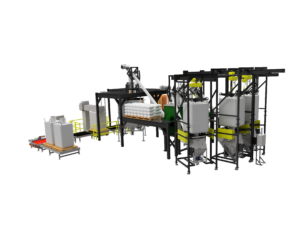
Efficiency in Batching & Blending: 4 Common Challenges and How to Fix Them
There’s no single solution for any given material handling, batching, or blending application. Significant efficiency improvements require varying degrees of customization to meet your material, processing, and business goals. Asking…
Read Time: 3 minutes
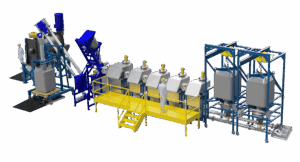
How to Choose the Right Conveyor System for Your Process: 6 Key Considerations from Hapman
Choosing the right conveyor system for your batch or continuous processing application is rarely straightforward. Moving material efficiently, safely, and in line with production requirements—without contributing to dust, downtime, or…
Read Time: 3 minutes
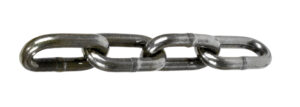
5 Reasons to Avoid Round-Link Chains in Tubular Drag Conveyors
Tubular drag conveying is a common method of moving loose bulk materials between processes in industrial plants. Chain-type tubular drag conveyors fall into two basic categories: those that use round-link chains and…

Read Time: 2 minutes
Dust Control in Bulk Material Handling
Dust generation is one of the most persistent challenges in bulk material handling. It’s more than a housekeeping issue—dusting can present serious safety risks, lead to regulatory noncompliance, and reduce…

Read Time: 3 minutes
6 Key Factors to Consider When Choosing a Conveyor for Bulk Material Handling
Selecting the right conveyor for your bulk material handling process isn’t always as simple as it seems. Every application involves unique challenges — from material properties to plant layout —…

Read Time: 3 minutes
How the “Bend But Don’t Break” Principle Applies to Tubular Drag Conveyors
If you’re a sports fan, you know that the term “bend but not break” refers to a football defense that gives up yardage but doesn’t allow the opponent into the…
Read Time: 3 minutes
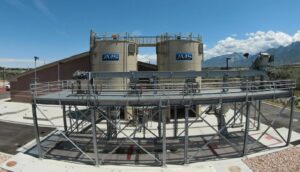
Hapman partners with several major Wastewater Treatment facility developers meeting critical requirements around dosing treatment materials and sludge handling. Hapman Bulk Bag Handling, Helix flexible screws, and feeders manage dosing…

Read Time: 8 minutes
Moving Material through a Process: A Guide to Selecting the Right Conveyor
Summary The proper selection and sizing of a conveyor is critical to successfully meeting production goals. The key factors that should be evaluated when choosing a conveyor are; material, operation,…

Read Time: 3 minutes
Top Equipment Design Considerations for Handling Bulk Chemical Powders
“Successful conveying and handling of chemical powders requires much more input than understanding a material’s properties, the desired convey rate and distance. Today’s manufacturers are faced with tighter margins, leaner…

Read Time: 4 minutes
Issues of Unloading Ammonium Nitrate Prill are Eliminated with Tubular Drag Conveyor System
“Hapman and their local representative worked very hard to ensure the successful completion of our client’s project,” stated O’Connor. “Their efforts helped identify and implement the optimum solution in order…
Read Time: 5 minutes
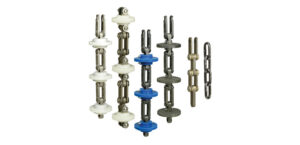
The Case for Engineered Chains Over Round-Link Chains
Both varieties of chain-type tubular drag conveyors often compete for the same work. Here’s why they shouldn’t. The concept of tubular drag conveying is a common consideration among industries needing…

Read Time: 3 minutes
Key Factors of Material Handling Equipment Design and Selection
Considerations When Handling Dry Ingredients INTRODUCTION Successful conveying and handling of dry ingredients requires much more input than understanding a material’s properties, the desired convey rate and distance. Today’s manufacturers…
Read Time: 7 minutes
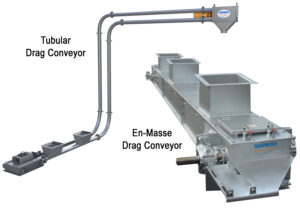
Understanding the Functional Differences Between Drag Conveyor and En-Masse Drag Conveyor Chain conveyors whether known as Drags, Scraper, Paddle, or En-Masse all start out with a continuous chain and fixed…
Read Time: 5 minutes
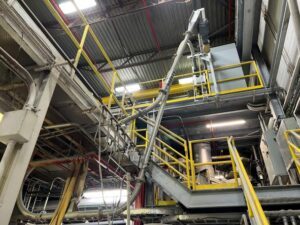
Tubular Drag Conveying – A Cost-Effective, Energy-Saving Alternative to Pneumatic Conveying
Pneumatic conveying is often considered the standard solution for transferring materials in bulk solids plants. In many applications, however, a type of mechanical conveying — tubular drag conveying — can…
Read Time: 4 minutes
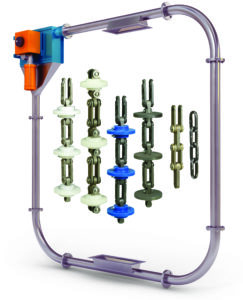
The Evaluation of Tubular Drag Conveyor Types
The Tubular drag conveyor has become the system of choice for many manufacturers who process bulk materials because of the conveyor’s layout flexibility, many flight and chain options that prevent…
Read Time: 3 minutes
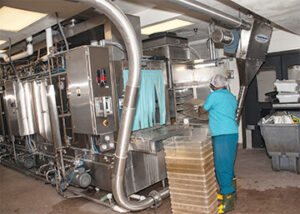
CHALLENGE A fully operational research laboratory needed a better way for technicians to remove and dispose of more than 1,200 pounds of soiled animal bedding per day. CUSTOMER Uniformed Services…

Read Time: 4 minutes
CHALLENGE The facility, which manages over 55,000 rodent cages, needed a more reliable and cost effective way to dispose of waste bedding, as well as mitigate allergen exposure, and reduce…

Read Time: < 1 minute
Biotech Lab Handling Dirty Mice Bedding From Cages with Cleaning Disposal System
CHALLENGE A biotech lab needed an easy and dependable method to handle dirty animal bedding from cages. SOLUTION A Hapman tubular drag conveyor with a specialized dump hopper. The cages…

Read Time: < 1 minute
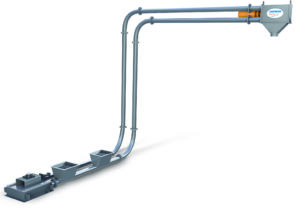
CHALLENGE A mining operation located in the mountains of Chile required an equipment method to handle and convey ammonium nitrate (NH4NO3) without degradation, 50 feet vertically, into a silo. Their…
Read Time: 5 minutes
Innovative Conveying Solutions: Ensuring Safety, Protecting Materials, and Enhancing Efficiency
CHALLENGE Engineering conveying systems for today’s processors requires far more than just moving product from point A to point B. Engineers must also consider plant and worker safety through assessing…